Written by Gal Wollach, VP Business Development, Palram 4U
Retail fixtures are often judged by four things: appearance, price, lead time, and installation.
That makes sense at the buying stage. The trouble usually starts later. Products change size. Planograms are revised. Screens and lighting are added. A shelf breaks, but no replacement part exists. Suddenly, the low-cost fixture is not quite the bargain it appeared to be.
For retail chains, good fixture engineering is about controlling the total cost of ownership (TCO) over five to ten years, not simply securing the lowest unit price.
When a good-looking fixture becomes an expensive one
A display can look excellent in a presentation and still cause problems in stores.
Typical issues include:
- Fixed shelves that cannot fit new product sizes
- Bulky construction that raises freight and storage costs
- Complicated installations that require specialist contractors
- Weak joints or materials that fail under daily use
- Exposed cables added after installation
- Full fixture replacement when one component breaks
- A new design every time the planogram changes
A fixture that cannot adapt can age remarkably quickly. Much like last year’s planogram.
Good engineering considers how the fixture will be made, packed, shipped, installed, used, repaired, and updated. The work starts long before production and continues well beyond opening day.
Three principles of better fixture engineering
1. Design for manufacturability and scale
A custom display may work beautifully in one flagship store. Producing the same fixture for 500 locations is a different test.
Design for manufacturability, or DFM, turns a creative concept into something that can be produced repeatedly at the right quality and cost.
This may include:
- Reducing the number of parts
- Improving material yield
- Standardizing hardware and connection points
- Designing components for flat-pack shipping
- Making assembly faster and less dependent on specialist tools
- Maintaining the same fit and finish across large production runs
None of this makes for a particularly exciting presentation slide. It does, however, help prevent late shipments, high freight bills, and installers making creative decisions in aisle seven.
For multi-store rollouts, small engineering improvements can produce large savings once they are multiplied across hundreds of locations.
2. Modularity and future changes
Retailers rarely keep the same product assortment forever. Package dimensions change, brands update their graphics, and category managers revise layouts.
The fixture needs to keep up.
Useful modular features include:
- Adjustable shelves and dividers
- Replaceable graphics and headers
- Standardized parts and hardware
- Channels for adding lighting, power, or screens
- Individual components that can be replaced without removing the full fixture
A modular fixture can support several product and planogram changes during its working life. This reduces replacement costs and gives merchandising teams more freedom to test new layouts.
It also saves procurement from having the same uncomfortable budget conversation every two years.
3. Technology built into the fixture
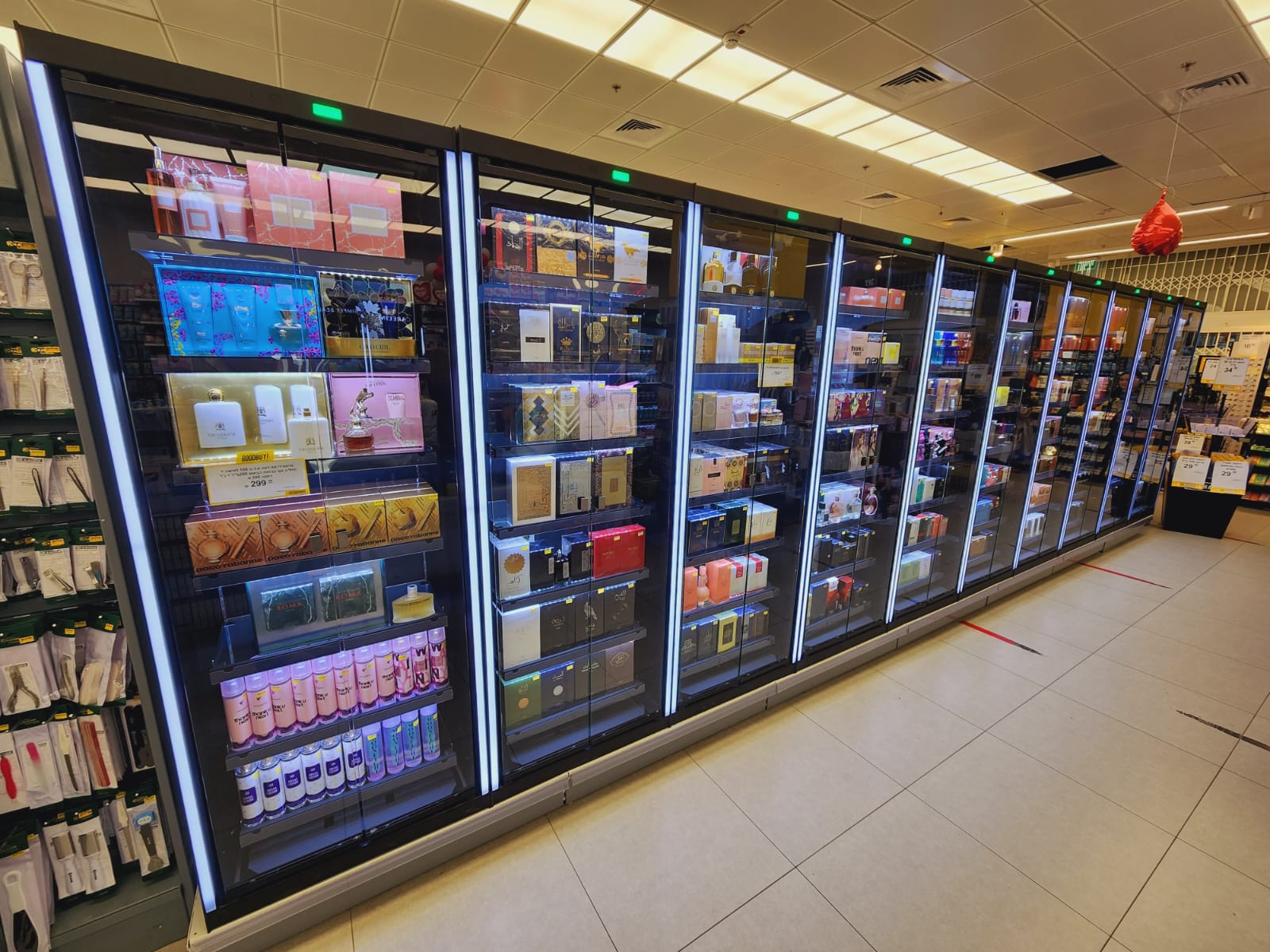
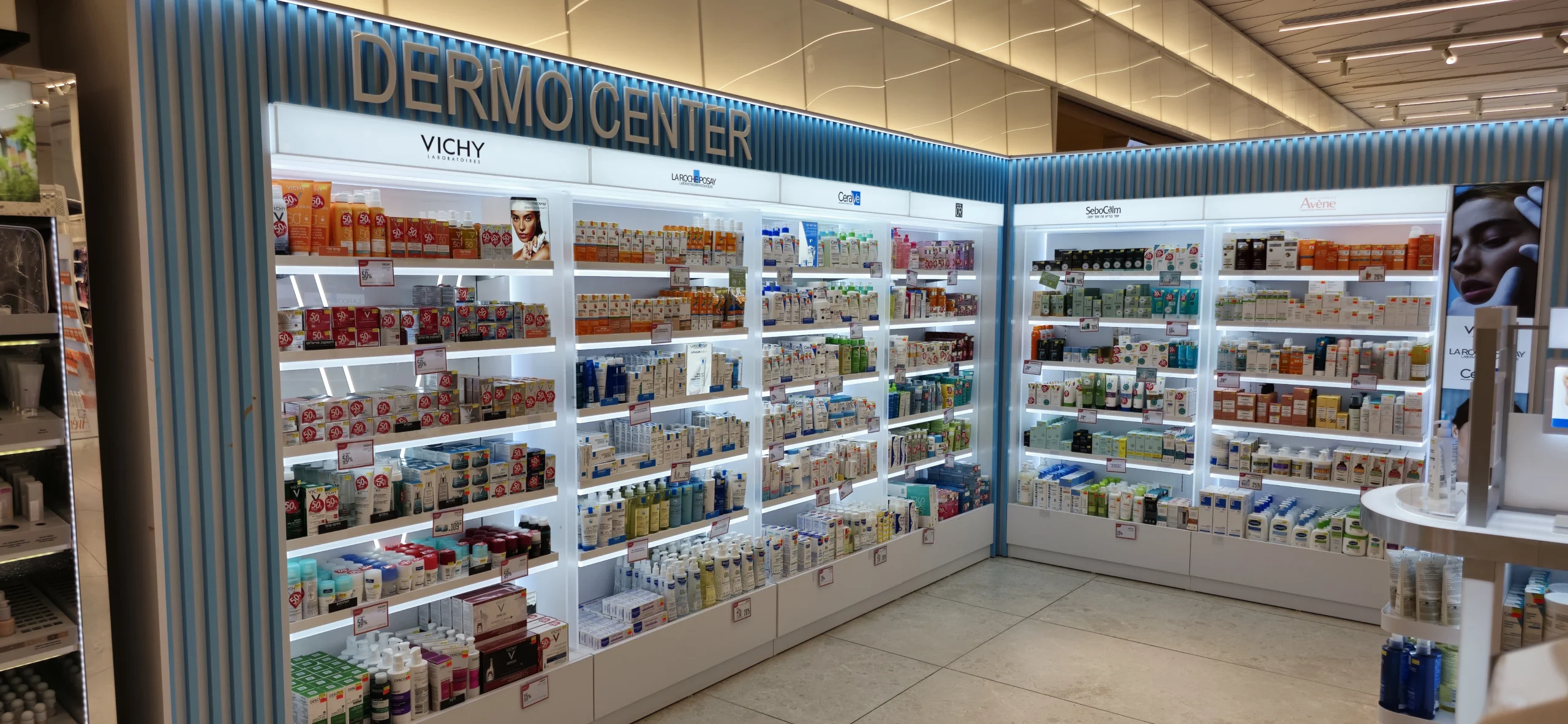
Retail fixtures now support far more than merchandise. Many also include LED lighting, digital screens, sensors, security equipment, power supplies, and media players.
Planning for these elements early allows engineers to include:
- Concealed cable routes
- Integrated LED lighting
- Power and data access
- Screen and media-player housings
- Sensor mounting points
- Lockable compartments for valuable equipment
Initial price compared with long-term value
| Operational area | Initial-cost approach | Engineering-led approach |
| Financial priority | Lowest unit price | Lowest long-term TCO |
| Adaptability | Fixed structure | Adjustable and modular |
| Repairs | Replace the full fixture | Replace the damaged component |
| Freight | Bulky shipping | Flat-pack or space-efficient packing |
| Installation | Complex site work | Standardized assembly |
| Technology | External additions and visible wiring | Built-in power and cable routes |
Anyone managing a national rollout knows the arithmetic. A small cost repeated across 500 stores is no longer a small cost.
Palram 4U and its experience in retail engineering
Palram 4U has spent 36 years designing and manufacturing retail displays for store networks around the world.
That experience includes:
- More than 1.7 million displays deployed worldwide: Feedback from convenience stores, electronics retailers, eyewear stores, and other retail sectors informs material choices, tolerances, and construction methods.
- Retail engineering since 1990: Palram 4U has developed everything from acrylic displays to multi-material fixtures with lighting, electronics, and security features.
- Material knowledge: With the support of Palram Industries, Palram 4U can select plastics, panels, metal, wood, and other materials based on strength, weight, appearance, and cost.
- Control from concept to rollout: Design, engineering, prototyping, production, quality checks, and delivery are managed as connected stages of the same project.
A retail fixture must do more than look good when it is installed. It must keep working after thousands of customers, hundreds of restocks, and more than a few planogram changes.
Frequently asked questions
What is the difference between fixture design and fixture engineering?
Fixture design focuses on appearance, branding, and product presentation.
Fixture engineering focuses on how the display will be manufactured, shipped, installed, maintained, repaired, and changed over time.
Good retail programs need both. A fixture should look good, but it should also survive life in a store.
How does fixture engineering reduce rollout costs?
Careful engineering can reduce material waste, part counts, shipping volume, and installation time. Standardized components also make production and assembly more predictable across multiple locations.
Why are modular retail fixtures useful?
Modular fixtures allow retailers to change shelf positions, update graphics, fit new product sizes, and add technology without replacing the entire display.
This extends the fixture’s working life and reduces the cost of future resets.
What should retailers consider beyond purchase price?
Retailers should consider freight, warehousing, installation, maintenance, spare parts, failure rates, future upgrades, and expected service life.
The least expensive fixture to buy is not always the least expensive fixture to own.
Why choose Palram 4U for a large retail rollout?
Palram 4U brings 36 years of retail engineering experience and more than 1.7 million completed displays. Its services cover design, engineering, prototyping, multi-material production, quality control, and rollout support.
Build for the next planogram
Products will change. Technology will change. Store layouts will change.
The fixture should be ready for all three.
Good retail fixture engineering protects the original investment by making displays durable, repairable, and easier to update. That is good engineering, but more importantly, it is good business.